When you’re putting together a gift hamper, the last thing you want is to make a green mistake. A beautiful spread of treats deserves a presentation that’s as kind to the planet as it is to the recipient. In this article we’ll walk through the essential steps for how to choose eco‑friendly hamper packaging without turning the process into a full‑blown environmental crisis.
Why Eco‑Friendly Packaging Matters
Every year, millions of tons of packaging waste clog landfills and oceans. Choosing sustainable options reduces that burden and signals to your guests that you care about more than just a pretty box.
- Environmental impact: Less plastic, more compostable materials. Brand perception: Eco‑conscious consumers love a thoughtful touch. Regulatory compliance: Many regions now ban single‑use plastics.
> “The greatest threat to our planet is the belief that someone else will save it.” – Unknown
Key Factors to Consider
Material Matters
Not all paper or cardboard is created equal. Look for certifications and origin.
- Recycled content: At least 50% post‑consumer waste. FSC‑certified: Ensures responsible forest management. Biodegradable: Breaks down naturally, no microplastics.
Design and Functionality
A great design should protect the contents while remaining reusable.
- Sturdy construction: Avoid flimsy boxes that collapse under weight. Easy assembly: Fewer adhesives or staples mean less chemical exposure. Aesthetic appeal: Natural fibers, simple embossing, or minimalistic prints.
Sustainability Scorecard
Create a quick checklist to rate each option:
| Feature | ✔️ | ❌ |
Brisbane CBD|---------|----|----|
| Recycled content | | |
| FSC‑certified | | |
| Biodegradable | | |
| Reusable | | |
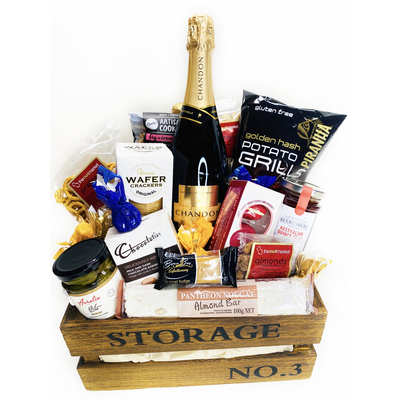
| Low‑VOC inks | | |

Material Options
Recycled Cardboard
A classic choice. It’s sturdy, inexpensive, and can be printed with soy‑based inks. Just be sure the cardboard is 100% post‑consumer.
Kraft Paper
A natural, unbleached option that gives a rustic feel. Kraft can be laminated with a thin, water‑based coating to improve durability.
Bamboo or Hemp
These fast‑growing fibers produce a surprisingly strong and eco‑friendly packaging. They’re especially good for premium hampers.
Compostable Plastics
Made from PLA or PHA, these materials can be a middle ground when you need a flexible wrap. They still require industrial composting for full biodegradability.
Design and Branding
Keep It Simple
Less is more. A clean, minimal design reduces ink usage and lets the contents Australia shine.
Personal Touches
Add a handwritten note or a small seed paper tag that guests can plant. It turns the hamper into a living gift.
Color Palette
Use natural dyes or plant‑based pigments. Avoid synthetic colors that may contain harmful chemicals.
Cost and Sustainability Balance
Choosing green packaging can sometimes feel like paying a premium. However, many suppliers now offer competitive pricing for recycled and biodegradable materials. Consider the following:
- Bulk discounts: Order larger quantities to reduce unit cost. Local sourcing: Shorter supply chains cut emissions. Long‑term savings: Reusable packaging can be reused for future events, spreading the initial cost.
Final Steps and Tips
Test Before You Commit
- Prototype: Build a sample hamper and assess strength and aesthetics. Ask for feedback: Show it to a friend and ask if it feels “eco‑friendly” to them.
Communicate Your Choice
Include a small card that explains why you chose sustainable packaging. It educates and delights your recipient.
Rinse and Repeat
Use the same packaging for future events. A reusable box can become a cherished keepsake.
---
Making Your Selection Count
Choosing the right eco‑friendly hamper packaging is more than a box‑shopping decision; it’s a statement about your values and the planet’s future. By focusing on material, design, and sustainability metrics, you can create a gift that feels as good on the earth as it does on the table. Next time you’re assembling a hamper, ask yourself: What if the packaging could be as memorable as the treats inside? With the right choices, it can be.